Research
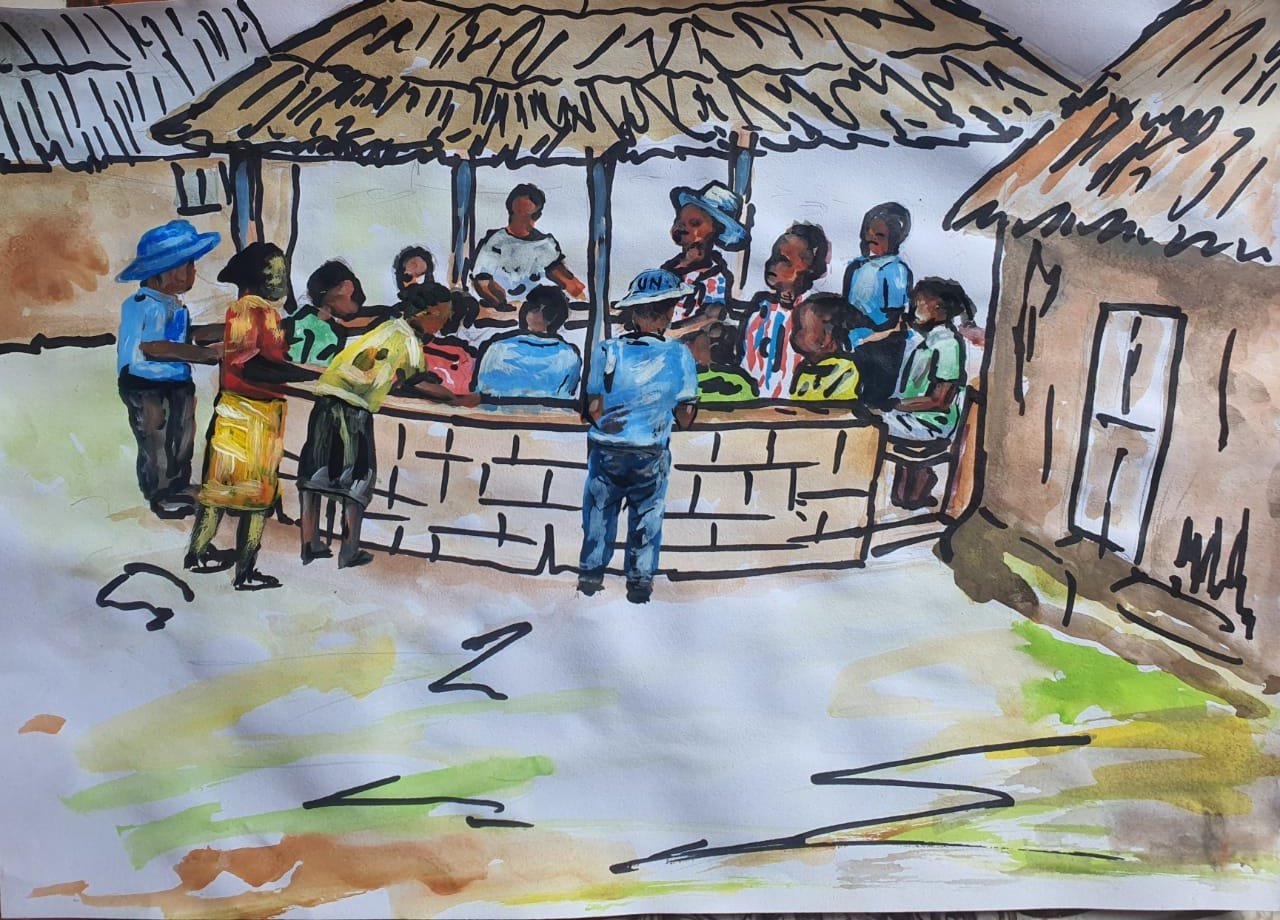
Artist Illustration, Community Interactions with United Nations Peacekeepers, Monrovia, Liberia (2025)
Book Project
The Gatekeepers of Peace: How Community Characteristics Influence International Peacebuilding
In many countries throughout the world, local communities have ways of solving different kinds of issues, including dealing with local level disputes. However, once conflict or war ends, international peacebuilding initiatives often try to influence how issues are solved at the local level. My dissertation asks, under what conditions do community dispute resolution and international peacebuilding initiatives compliment or undermine one another in achieving local peace?
I build my argument with interview data with community leaders from Liberia. I then test the argument with household and leadership surveys in three different areas of Liberia and use United Nations Mission in Liberia (UNMIL) exposure as a case of international peacebuilding to test my argument. In a most different case, I use household survey data and community leadership data from several cases in Central Asia and a community-driven development (CDD) projects with peacebuilding components to explore whether the argument extends beyond Liberia.
Mural, Belfast, Northern Ireland (2017)
Gender and Conflict
Ethnic and Gender Hierarchies in the Crucible of Warwith Katie Webster, Chong Chen, and Kyle Beardsley, International Studies Quarterly (2020)
Recent scholarship shows war can catalyze reforms related to gender power imbalances, but what about reforms related to ethnic inequalities? While war can disrupt the political, social and economic institutions at the root of ethnic hierarchy—just as it can shake up the institutions at the root of gender hierarchy—war is also prone to have either a reinforcing effect or a pendulum effect. Our project uses data from the Varieties of Democracy project to examine specific manifestations of changes in gender and ethnic civil-liberty equality (1900–2015). Interstate war, but not intrastate war, tends to be followed by gains in ethnic civil-liberty equality, and intrastate war tends to be followed by long-term gains in gender civil-liberty equality. Wars with government losses are prone to lead to improvements in civil-liberty equality along both dimensions. In considering overlapping gender and ethnic hierarchies, we find that when wars open up space for gains in gender equality, they also facilitate gains in equality for excluded ethnic groups.
Women’s Status After War with Taylor Vincent, Angie Torres-Beltran, Sumin Lee, Zinab Attai, and Sabrina Karim
Do wars improve women’s status? Recent scholarship argues that inter-state and intrastate war disrupt traditional hierarchies and create space for improvements in women’s status after war. We build on this scholarship in two ways. First, we show that inter-state versus intra-state wars affect women’s status in different ways. Second, we show that not all forms of women’s status improve. We show that there is important variation on women status depending on how it is measured. Using cross-national, time-series data from 1960-2019, we examine the differential effect of inter and intrastate wars on women’s rights, women’s inclusion, harm to women, and beliefs about women’s roles in society. Our work suggests a more nuanced approach to understanding the effect of war on women’s status is needed.
Community Level Treatment of Sexual Violence in Postwar Liberia with Taylor Vincent
Our study focuses on sexual and gender-based violence (SGBV) in postwar settings. We argue that post-conflict reconstruction shapes community leader authority, via norm localization, to handle local disputes, as well as preferences for how individuals prefer to seek justice for sexual violence. International norm localization occurs depending on local elite interest, in this case community leader interests, and is dependent on the social context of local communities (Acharya 2011). Using interview data of community leaders in Monrovia, Liberia, and survey data from the Afrobarometer, we show that community leaders exercise discretion about sending cases of sexual violence to state authorities and women exercise different attitudes about seeking formal justice depending on whether the sexual violence case is seen as a public (i.e. non-familial rape) or private (i.e. intimate-partner violence) matter. Our findings have implications for scholars of international intervention, post-conflict reconstruction, and gender justice.
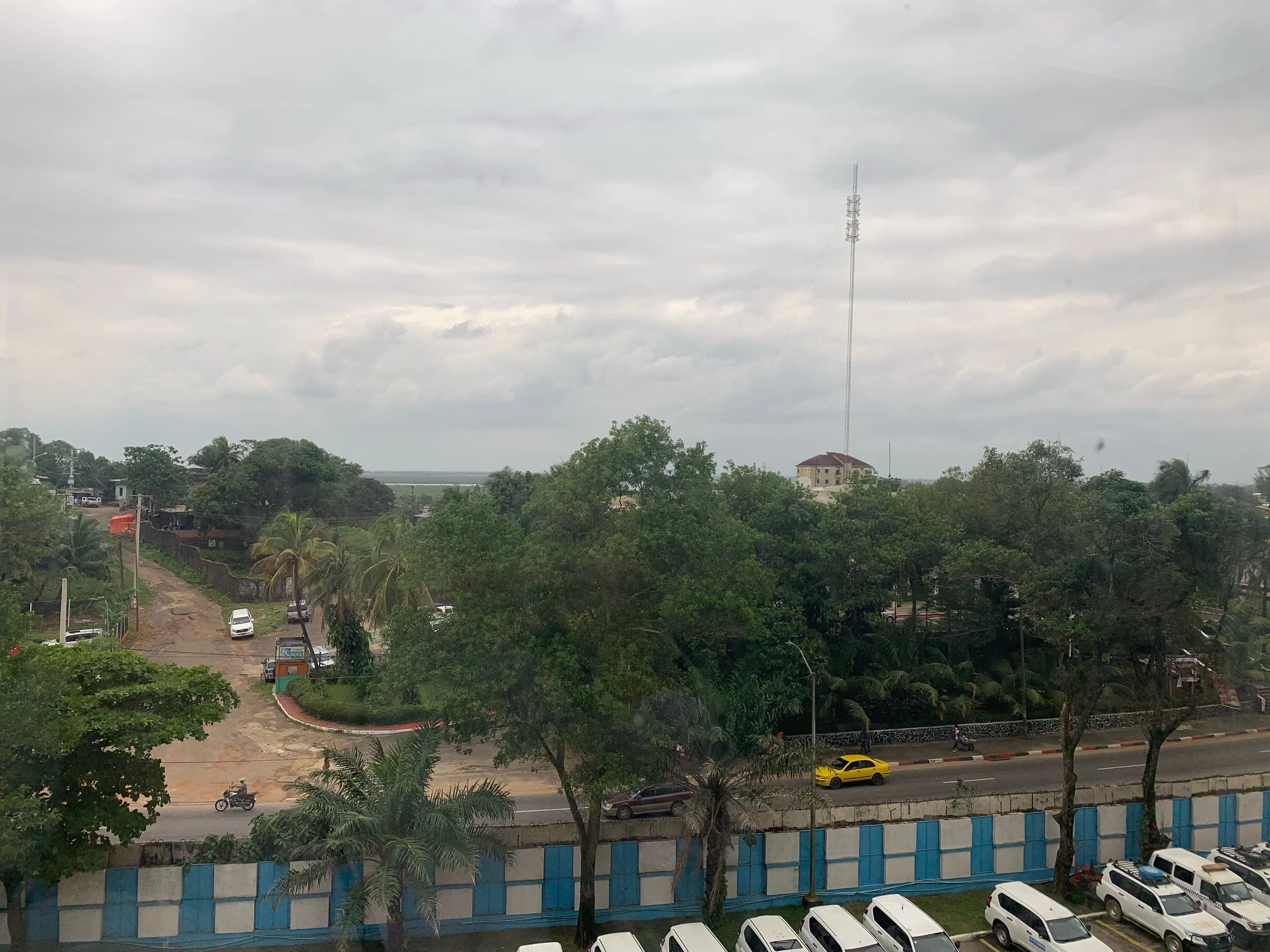
View from United Nations, Monrovia, Liberia (2022)
Peacebuilding and Peacekeeping
Rape after Civil Conflict: How United Nations Peacekeepers’ Actions Shape Prevalence with Sumin Lee, Kou Gbaintor-Johnson, and Sabrina Karim, Revise and Resubmit
Much of the scholarship on rape addresses variation of wartime sexual violence or the legacies of conflict on violence against women after war. We argue that these legacies of war are important for explaining variation in rape after civil war, but also that the state building process itself contributes to rape. Specifically, when international state builders engage in transactional sex, they fundamentally alter male roles within relationships, making it more difficult for them to enter into sexual relationships, which may lead to rape. Additionally, state building sometimes pits informal and formal institutions against one another, which leads to a reliance on justice mechanisms that do not deter rape. To test these intuitions, we use novel, quantitative data on rape in Monrovia, Liberia collected from One Stop Centers from 2015-2019. We combine it with representative surveys of Monrovia. We supplement these data with original interview data from perpetrators and a survivor survey. Triangulating our data, we find support for our theory. The paper problematizes state building as a means to prevent rape.
Conjoint Survey Analysis from Security Force Personnel Around the World with Sabrina Karim, Laura Huber, Zinab Attai and Muhib Rahman
The gendered protection norm refers to the stereotypical belief –explicit or implicit –that men are the natural protectors of women and children, and that women and children should not be put in harm’s way. It is often the reason that women are kept away from combat and other violent situations despite their willingness and capability to use violence. In the context of peacekeeping operations, prior research finds that women are often deployed to missions where there is less risk of sexual violence and gender inequity is less pervasive (Karim and Beardsley 2013, 2017). Using a novel conjoint experiment, this paper will examine how the gendered protection norm manifests in security forces’ decision-making by asking the question: under what conditions do individuals prefer to deploy female peacekeepers? Through the use of survey data from members of security forces (members of the armed forces, police and gendarmerie) from a cross-national sample, we test several arguments by varying the level of sexual violence and peacekeeper deaths that an operation has experienced, the sex of a hypothetical peacekeeper, their years of experience, and the type of experience they have. The results of this paper have implications for peacekeeping effectiveness as well as for the exclusion of women insecurity more generally.
Peacekeeping as Socialization Experiences with Sabrina Karim, Laura Huber, Roya Izadi, Michael Kriner, Lindsey Pruett, and Cameron Mailhot
Under what conditions do security force personnel change their attitudes towards violence? In this paper, we develop a theory of socialization to account for variation in beliefs about the acceptability of misconduct and the use of violence among members of security institutions. We theorize that deployment with United Nations peacekeeping operations socializes personnel to be more restrained because participation in these missions introduces security personnel to an array of new practices, procedures, training and experiences. We consider these mechanisms separately, but argue that this experience should be understood as a holistic event. Deployment is a significant stage in many security force personnel's professional careers, and should have a pacifying effect, by reducing preference for or toleration of engaging in violence towards civilians. We test our hypotheses on original, novel data of surveys with police and military personnel in eight different countries (N=3,784). We find that peacekeeping does have a socializing effect, particularly for civilian protection and reporting misconduct. This study contributes to literature on violence and abuse committed by security institutions and the impact of international peacekeeping beyond the host country.
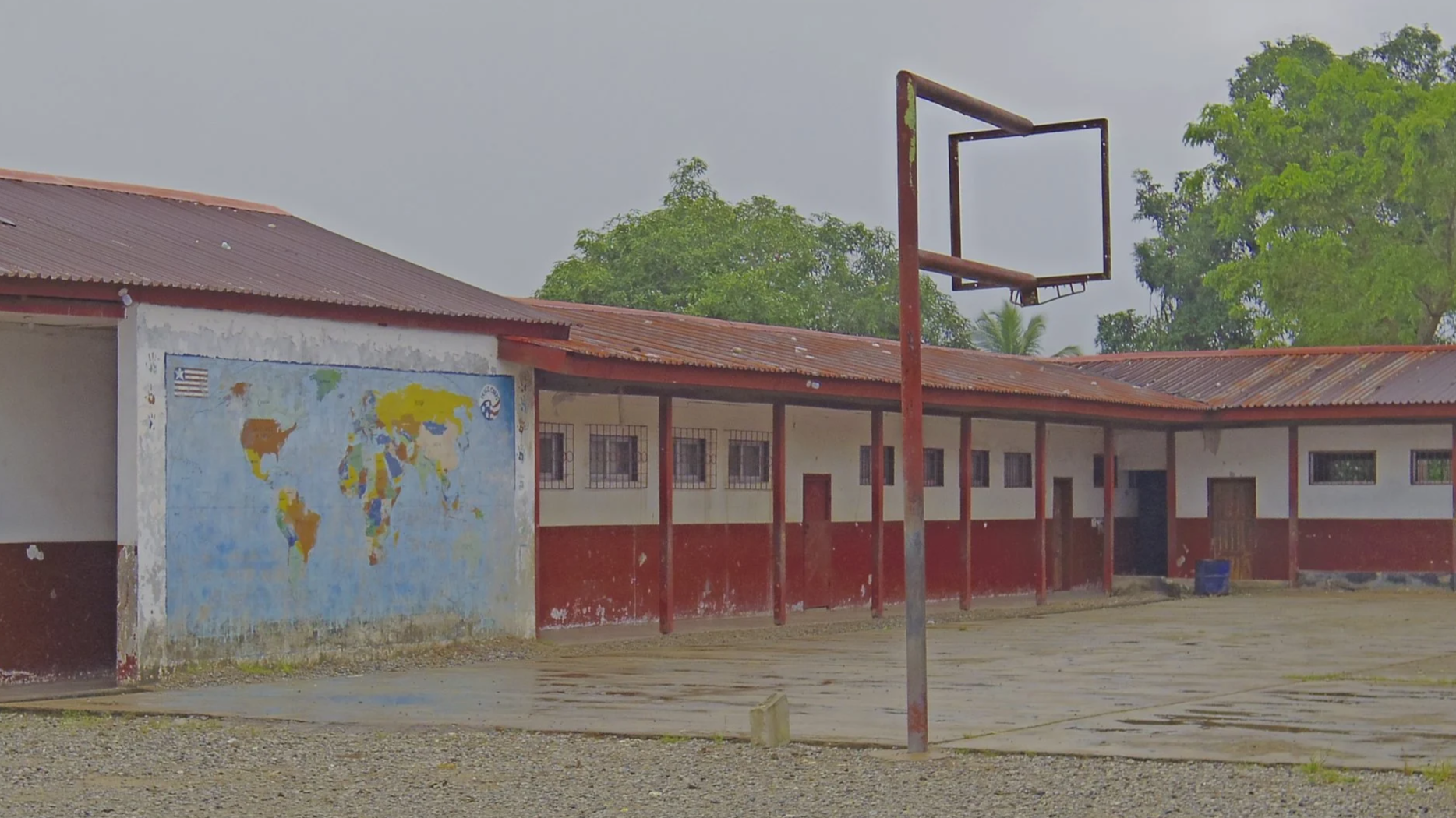
School, Bong Mines, Liberia (2025)
International Change
The Right Transmission: Understanding Global Diffusion of the Far-Right with Jennifer M. Ramos, Populism (2020)
Around the globe, a growing group of politicians are drawing on far-right sentiments to win elections and pursue their policy agendas. Such trends have the potential to undermine established democratic principles within states and reverse trends towards democracy on a global scale. Global public opinion polls in democracies show that citizens no longer find it essential to live in a democracy (Foa and Mounk 2016; Levitsky and Ziblatt 2018). Furthermore, some see events such as the election ofUSPresidentTrump and Brexit as catalysts for the diffusion of ultra-right-wing policies. In this article, we seek to explain the rise of the far-right beyond socioeconomic and immigration concerns. We propose that not only do such politicians rely on domestic networks of support, but they are also aided by transnational far-right communities. These communities reinforce one another through the sharing of ideas, frames, and strategies to form an epistemic community. By examining political leaders’, parties’, and movements’ actions and rhetoric in our case studies of theU.S., Germany and theU.K., we illustrate the mutually supportive global communities of right wing demagoguery. We conclude with a discussion of the findings and considerations for future research.